A long journey,
starts with a small step.
February 13, 2007

February 8, 2007
December 29, 2006
writing
I am sooo bored!
is writing an act of erasing,
or is it a disclosure?
why is the angst in all writing?
what do I fear?
what do I long for?
where do I write from?
where does the script come from?
is writing an act of erasing,
or is it a disclosure?
why is the angst in all writing?
what do I fear?
what do I long for?
where do I write from?
where does the script come from?
December 19, 2006
December 1, 2006
la main
La Main (S.), Pascal Renoux

 Bir de gelişigüzel (?) iki şeyi (görsel, metin, nesne, şey) bir araya koyduğumda, yanyana, altalta, aynı çerçeve içinde koyduğumda her iki şeyin anlamlarının değişmesi, ve bir arada yeni anlamlar üretmelerine, zıtlıklar yaratmalarına bayılıyorum.
Fotoğrafçının diğer fotoğraflarını merak edenlere: Pascal Renoux
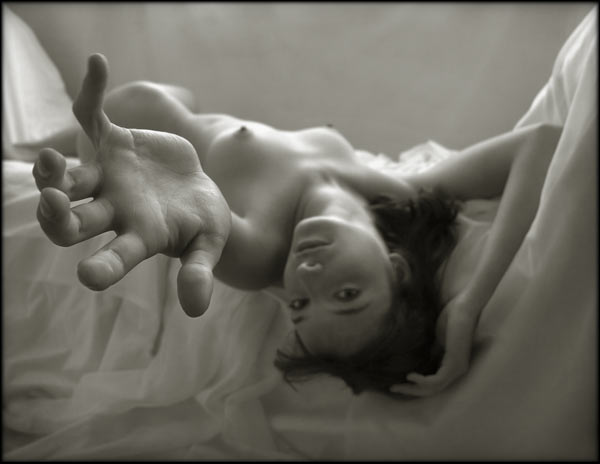
Portrelerde kadınların kameraya bakarken pozlandırılmasından daha çok, modellerin izleyicinin farkında olmaları ve kendilerini bakan kişiye sunmaları ilgimi çekiyor.
Bunun kameranın varlığından, kameranın ardındaki kişinin beğenilerinden, eğilimlerinden ve dahası görsel alışkanlığından daha fazla bir şeye işaret ettiğini düşünüyorum. Bu, henüz ucunu yakalamaya çalıştığım bir sezgi, ipuçlarını topladığım. Bu soru (ve yanıtı) başkalarını ilgilendirir mi bilmiyorum, ama ipin ucundan görünmeye başlayan giderek daha ilginçleşiyor.
Bunun kameranın varlığından, kameranın ardındaki kişinin beğenilerinden, eğilimlerinden ve dahası görsel alışkanlığından daha fazla bir şeye işaret ettiğini düşünüyorum. Bu, henüz ucunu yakalamaya çalıştığım bir sezgi, ipuçlarını topladığım. Bu soru (ve yanıtı) başkalarını ilgilendirir mi bilmiyorum, ama ipin ucundan görünmeye başlayan giderek daha ilginçleşiyor.
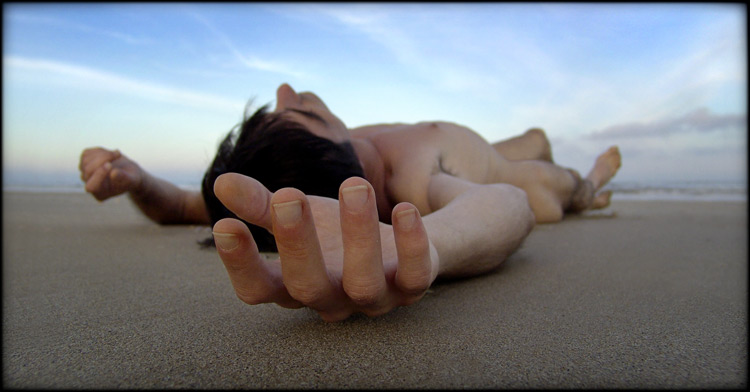 Bir de gelişigüzel (?) iki şeyi (görsel, metin, nesne, şey) bir araya koyduğumda, yanyana, altalta, aynı çerçeve içinde koyduğumda her iki şeyin anlamlarının değişmesi, ve bir arada yeni anlamlar üretmelerine, zıtlıklar yaratmalarına bayılıyorum.
Fotoğrafçının diğer fotoğraflarını merak edenlere: Pascal Renoux
Un frais matin d'été 4
November 27, 2006
an amusing word play on "perfume" or whatever word you choose from it:
the virtual mind
is a kind of
ghost
perversion
père version
la version du
père
the version of
the father
the fuming
father
perfumiste
père-fumist
père-fume
lacan dot
is a kind of
ghost
perversion
père version
la version du
père
the version of
the father
the fuming
father
perfumiste
père-fumist
père-fume
November 20, 2006
izdüşüm
 izdüşümlerin fotoğraflarını çekiyorum. yeniden görmek için, anımsamak için, düşleri, izleri düşenleri, düşen düşleri. unutmamak için. hayat dediğimiz şey hatırlamadan ve unutmadan ibaret.
hatırladıklarımız kadar hatırlamadıklarımız mıyız? hatırlamamayı seçebilir mi insan? seçerse unutabilir mi? ya hiç izi düşmeyenler? bir de, izsiz düşenler? hani, iz bırakmaksızın düşenler?
anlardan mı, insanlardan mı bahsediyorum? bellek için bir farkı yok. fotoğraf çekiyorum, anı dememek için.
November 15, 2006
blue box
I am thinking of the difference between night-dreams and day dreams
they should be called with different words
like in Turkish
also of the intrusive confrontation of learning another's night-dream
which is personal, always elusive, unintelligible
a net of unsignifying signs for me
ethics of confessions
I am no priest
nor an analyst
(neither you are)
since there is no two different words in English
for making clear which I mean
I play on their slippage
looking in through my blue box
they should be called with different words
like in Turkish
also of the intrusive confrontation of learning another's night-dream
which is personal, always elusive, unintelligible
a net of unsignifying signs for me
ethics of confessions
I am no priest
nor an analyst
(neither you are)
since there is no two different words in English
for making clear which I mean
I play on their slippage
looking in through my blue box
November 7, 2006
dreaming father
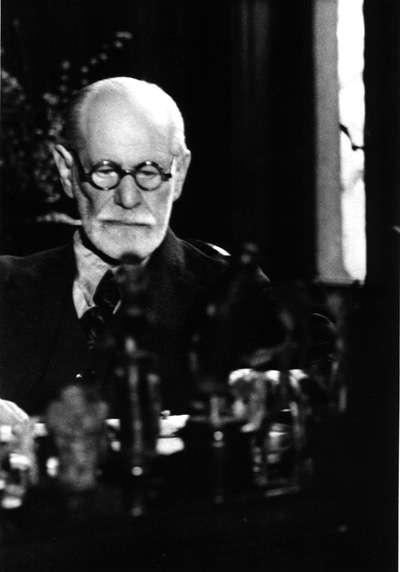 Sigmund Freud, 1856-1939
November 5, 2006
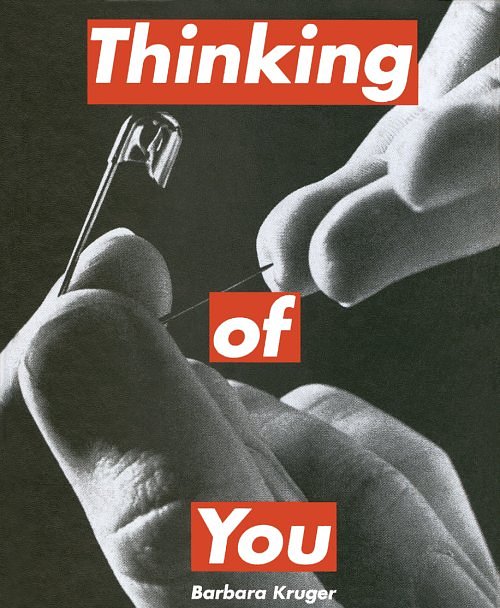
November 3, 2006
October 30, 2006
October 26, 2006
Love is a Sickness
LOVE is a sickness full of woes,
All remedies refusing;
A plant that with most cutting grows,
Most barren with best using.
Why so?
More we enjoy it, more it dies;
If not enjoy'd, it sighing cries—
Heigh ho!
Love is a torment of the mind,
A tempest everlasting;
And Jove hath made it of a kind
Not well, nor full nor fasting.
Why so?
More we enjoy it, more it dies;
If not enjoy'd, it sighing cries—
Heigh ho!
Samuel Daniel. 1562–1619
I wish I could post the song instead of the poem, because it is a song more than a poem for me, (I used to sing it), which portrays very well the perception of love as a sickness, but of the mind, on which a lot of Medieval scholars wrote treatises. They were trying to provide an analysis of its symptoms and suggest cures. And when they were calling it a sickness, they were not speaking metaphorically, No!; they were speaking of a sickness, just like any other sicknesses. For your enjoyment: "Questions on the Viaticum". The seriousness of their preoccupation and their explanations seem mostly funny from the point of view of our knowledge of medicine and human sciences. But I can't keep myself from asking: have we arrived at a better understanding? Have we moved any closer in explaining this feeling (or syndrome, depends on how you approach it)? Or, rather, have we gave up the effort of trying to give an account of it and left the concept (and the thing itself, I don't know what it is, this_thing_called_love) to be exhausted by the consumerism of advertisements and horoscopes? And, lastly, will there be an end to my rhetorical questions? And, loss of words, I sigh!
All remedies refusing;
A plant that with most cutting grows,
Most barren with best using.
Why so?
More we enjoy it, more it dies;
If not enjoy'd, it sighing cries—
Heigh ho!
Love is a torment of the mind,
A tempest everlasting;
And Jove hath made it of a kind
Not well, nor full nor fasting.
Why so?
More we enjoy it, more it dies;
If not enjoy'd, it sighing cries—
Heigh ho!
Samuel Daniel. 1562–1619
I wish I could post the song instead of the poem, because it is a song more than a poem for me, (I used to sing it), which portrays very well the perception of love as a sickness, but of the mind, on which a lot of Medieval scholars wrote treatises. They were trying to provide an analysis of its symptoms and suggest cures. And when they were calling it a sickness, they were not speaking metaphorically, No!; they were speaking of a sickness, just like any other sicknesses. For your enjoyment: "Questions on the Viaticum". The seriousness of their preoccupation and their explanations seem mostly funny from the point of view of our knowledge of medicine and human sciences. But I can't keep myself from asking: have we arrived at a better understanding? Have we moved any closer in explaining this feeling (or syndrome, depends on how you approach it)? Or, rather, have we gave up the effort of trying to give an account of it and left the concept (and the thing itself, I don't know what it is, this_thing_called_love) to be exhausted by the consumerism of advertisements and horoscopes? And, lastly, will there be an end to my rhetorical questions? And, loss of words, I sigh!
October 23, 2006
It has been only weeks since I wrote my autumn haiku, and now the time came for me to write one for the winter, for while I sit in my warm and softly lit room, it snows outside. But wait! The trees still have some green leaves. The trees still have green leaves.
These days I wonder which one is better: to dream during the sleep and be reminded of those left aside, swept under the rug in the light of the day; or better not to dream at all. But if everyone dreams, is it possible to choose not to remember? If dreams are gates to our hidden desires and fears, the things we would prefer not to be reminded, the judgments we flee to make, maybe the question is whether one wants to know or not. The curious thing with dreams is that one does not have the choice to decide on that. It is just there, right in one's face. What does it say? It says, "the more you run the more I'll come after you." It is like a psycho postman who is obsessed with getting his mails delivered to the right person by the hand. Ok. I got my mail. So what's next? I don't know.
These days I wonder which one is better: to dream during the sleep and be reminded of those left aside, swept under the rug in the light of the day; or better not to dream at all. But if everyone dreams, is it possible to choose not to remember? If dreams are gates to our hidden desires and fears, the things we would prefer not to be reminded, the judgments we flee to make, maybe the question is whether one wants to know or not. The curious thing with dreams is that one does not have the choice to decide on that. It is just there, right in one's face. What does it say? It says, "the more you run the more I'll come after you." It is like a psycho postman who is obsessed with getting his mails delivered to the right person by the hand. Ok. I got my mail. So what's next? I don't know.
October 2, 2006
"No, It's Not Fatigue"
No. Fatigue, why?
It's an abstract sensation
of concrete life
-something like a scream
to be screamed,
something like anxiety
to be suffered.
To be suffered completely
Or to be suffered as ...
Yes, to be suffered as ...
That's it: as ...
As what?
If I knew I wouldn't have this false fatigue within me.
F. Pessoa (Alvaro de Campos)
It's an abstract sensation
of concrete life
-something like a scream
to be screamed,
something like anxiety
to be suffered.
To be suffered completely
Or to be suffered as ...
Yes, to be suffered as ...
That's it: as ...
As what?
If I knew I wouldn't have this false fatigue within me.
F. Pessoa (Alvaro de Campos)
September 24, 2006
September 7, 2006
September 6, 2006
unuseful lists # 2
çalışma zamanı
az konuş, çok iş yap.
araştır
başvur
karar ver
arzula
heyecanlan
üzerine git
vazgeç
geri dön
yeniden başla
yeniden heyecanlan
geri durma
hata yap
yanıl
hatalarını affet
sahip olduğun tek şeyi kucakla
gözle
seyret
öğren
coşkuyla izle
akışa katıl
merak et
izinden git
müziğe uy
seviş
az konuş, çok şey söyle
gözlerini kapa
düşle
düşlerini anımsa
öğrendiklerini unut
benliğini yık
ve sonra
ötekinin imgesinde
yeniden kur
aşk dediğin nedir ki?
az konuş, çok iş yap.
araştır
başvur
karar ver
arzula
heyecanlan
üzerine git
vazgeç
geri dön
yeniden başla
yeniden heyecanlan
geri durma
hata yap
yanıl
hatalarını affet
sahip olduğun tek şeyi kucakla
gözle
seyret
öğren
coşkuyla izle
akışa katıl
merak et
izinden git
müziğe uy
seviş
az konuş, çok şey söyle
gözlerini kapa
düşle
düşlerini anımsa
öğrendiklerini unut
benliğini yık
ve sonra
ötekinin imgesinde
yeniden kur
aşk dediğin nedir ki?
August 26, 2006
Subscribe to:
Posts (Atom)